
gwer423↑↑↑Black Hat SEO backlinks, focusing on Black Hat SEO, Google Raking
cr4df34↑↑↑Black Hat SEO backlinks, focusing on Black Hat SEO, Google Raking

The fully diluted number of shares indicates how many outstanding shares there could potentially be if all existing equity instruments were converted into common stock. Companies typically issue shares when they raise capital through equity financing or when they exercise employee stock options (ESOs) or other financial instruments. Outstanding shares decrease if the company buys adjusting entries back its shares under a share repurchase program. When a company undergoes major corporate actions such as mergers, acquisitions, or stock splits, the number of outstanding shares can play a significant role.
How Stock Buyback and Issuances Impact Shares Outstanding
Meanwhile, stock splits increase the number of shares outstanding without affecting the company’s market capitalization. Market capitalization is not a fixed number—it fluctuates constantly based on stock price shares outstanding formula movements. Since the market cap is calculated by multiplying a company’s share price by the number of shares outstanding, any change in stock price directly impacts the company’s market value.
Why might a company change its number of outstanding shares?

It can also imply a certain level of risk depending on the reasoning for issuing more shares. Knowing the number of shares outstanding, especially when compared to similar firms, can help you protect your investments. Dilution can have a significant impact on a company’s earnings per share (EPS). When additional shares are issued, the company’s earnings are divided among a larger number of outstanding shares, resulting in a decrease in EPS. This means that each existing shareholder’s portion of the company’s earnings is reduced, potentially leading to a decrease in the value of their investment. One of the primary reasons why outstanding shares are important is because they determine the voting rights of shareholders.
Key Differences Between Issued and Outstanding Shares
A company can maintain a controlling interest by retaining authorized shares. It can also reduce the possibility of a hostile takeover if a majority of shares have yet to be issued. The articles of incorporation may authorize one share or millions of shares for a company that doesn’t have an authorized shares restriction. The number of shares that are available to trade is referred to as the float. In two months, the company’s management decides a share buyback of 1,000 shares. You can access these reports and filings on the company’s website or online databases such as EDGAR or SEDAR.
- Let’s take a look at what the difference is between market capitalization and shares outstanding.
- New share issuances may dilute value, while buybacks can concentrate it, reflecting strategic financial moves such as fundraising or mergers.
- Second, the corporation may decide to give stock options to its employees as a form of payment.
- Shares outstanding refers to the number of shares of common stock a company has issued to investors and company executives.
- It’s always a smaller figure because it only counts the number of shares available for investment and trading on financial exchanges.

Let’s say that a company has authorized 10,000 shares of stock, and it has sold 8,000 of these shares to investors. Now that we have explored the attributes of both issued shares and outstanding shares, let’s compare them to understand their similarities and differences. The owners of outstanding shares have the right to receive dividends and also have voting rights in the corporation.
Blue Chip Stocks
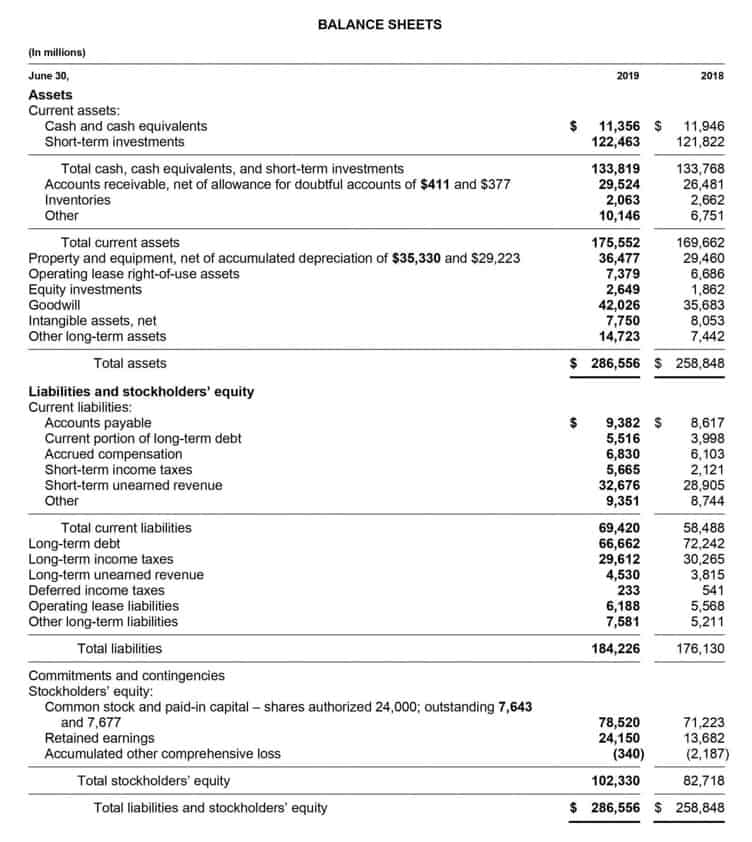
When evaluating a company’s stock, it’s important to distinguish between shares outstanding and floating shares, as these figures provide insights into the stock’s liquidity and voting power. Moreover, the number of shares outstanding is extremely useful when monitoring how a company conducts its business, as things like stock splits also affect share numbers. Several factors can cause a company’s number of outstanding shares to rise or fall, with one of the most common being stock splits. For example, when shares outstanding are going up, the ownership stake of shareholders is diluted.

The owners’ equity, or the proportion of the company they own, will be diminished if the company subsequently issues more shares. Shares outstanding refer to the total number of a startup’s stock shares currently held by all its shareholders, including institutional investors, insiders, and the general public. These are the shares that have been issued by a startup and are currently in market circulation, excluding treasury stock which is held by the startup itself. Shares outstanding is an important metric for investors and analysts who want to understand a company’s market value, financial performance, ownership structure and market sentiment. By knowing how to calculate, interpret and find information on shares outstanding, market participants can make data-backed decisions about investing in or trading a company’s stock. A stock split is a process where a company divides each existing share into multiple new shares, increasing the number of outstanding shares.
Key Differences
In the US, public companies are obligated to report their number of shares outstanding as part of the SEC’s filing requirements. StocksToTrade in no way warrants the solvency, financial condition, or investment advisability of any of the securities mentioned in communications or websites. In addition, StocksToTrade accepts no liability whatsoever for any direct or consequential loss arising from any use of this information. This information is not intended to be used as the sole basis of any investment decision, should it be construed as advice designed to meet the investment needs of any particular investor.
The number of outstanding shares can impact the amount of dividends received by each shareholder. If a company’s profits remain constant and the number of outstanding shares increases, the dividend per share would decrease. Conversely, if the number of outstanding shares decreases, the dividend per share would increase. Therefore, shareholders with a larger number of outstanding shares would receive a larger share of the dividend payments.
Outstanding Shares vs. Authorized Shares: Key Differences Explained
For instance, on their websites, the New York Stock Exchange (NYSE) and the Nasdaq Exchange (NASDAQ) provide details about the number of shares outstanding for their listed companies. Two different ways to analyze a company Mental Health Billing through its shares outstanding are earnings per share (EPS) and cash flow per share (CFPS). Shares outstanding are the basis of several key financial metrics and can be useful for tracking a company’s operating performance.